How to choose the right real estate agent when buying property in Spain
The Spanish property market is different from most countries.
The Spanish real estate system is fundamentally different from many other countries, with fewer requirements for authorization, complex legal documents in Spanish, and the risk of hidden defects. A good, authorized agent ensures legal security, handles the language barrier, coordinates all parties involved, and follows up with you before, during, and after the purchase.
An agent in Spain can show you the vast majority of homes on the market, including properties advertised by other agencies. This is different from many other contries, where we are used to different properties having their own specific agent. In practice, this means you potentially only choose an agent once. We therefore recommend being thorough and not leaving this choice to chance.
In many countries, it requires a degree in real estate to become an authorized real estate agent. Until 2023, there were no such requirements in Spain. Anyone could start a real estate agency without authorization, education, or membership in industry organizations. This means that the quality of brokerage services varies enormously.
New requirements for agents in Spain
On October 1, 2023, a new law came into force where all real estate agents must be authorized, and the title of real estate agent is now protected. To become a real estate agent in Spain, you must either be a trained real estate agent from another country, have a relevant education such as an architect or lawyer, or take courses in Spain. Only the responsible broker needs to be authorized, which means many work under the title of real estate advisor, consultant, or equivalent, while sales are overseen and processed by the responsible authorized agent.
There are still many agents at home and abroad working independently in the industry without authorization, and these should be avoided. It is a punishable offense to broker property in any way without authorization.
Properties listed with multiple agents
Another characteristic of the Spanish market is that it is often “multi-listing.” The same property is sold through several different agents simultaneously, or the original agent has shared the listing with others. This can cause confusion when you see the same property advertised with different information and even different prices. A good agent helps you navigate this chaos and gives you access to all relevant properties.
Agent’s commission in Spain
Normally, the seller pays the agent’s commission in Spain, usually between 3 and 6 percent of the sales price. In rare cases, the commission may be split between buyer and seller, but this must then be clearly agreed upon with the buyer in advance.
Four reasons to use an authorized agent
Legal security and document control
A competent agent checks the nota simple (property certificate) for encumbrances, debts, and legal issues. They verify that the seller actually owns the property and that all building permits (licencias) are in order. Without this check, you risk buying a property with hidden debt or illegal extensions that could cost you dearly later.
Language and communication
Your agent must know Spanish. It is not as critical if the person showing you the property doesn’t speak Spanish, but the responsible agent must know the language well. All contracts are in Spanish with complex legal terminology. Notary meetings take place in Spanish. Communication with lawyers, gestors, banks, and the municipality requires language proficiency. Misunderstandings in these processes can have serious legal and financial consequences. A good agent ensures that you understand every single step and translates necessary information for you.
Coordination and process management
A property purchase in Spain involves many parties: lawyer, notary, bank, gestor, municipality, and in some cases, multiple real estate agencies. An experienced agent coordinates all of these, maintains timelines and deadlines, follows up on documentation, and ensures that no critical steps are skipped. This saves you countless hours of work and frustration.
Market knowledge and negotiation
A local agent knows the area’s real price landscape and spots red flags in the sales process. They negotiate not only the price but also terms such as furniture, appliances, and the handover date. They know what is “normal” standard for the area and can warn you against properties that are priced unrealistically high or low.
An experienced agent quickly sees which properties should be avoided and which are potentially good purchases. Through close dialogue with the buyer, a good agent will be able to find all relevant properties that match criteria for both the home and location. The housing market in Spain is overwhelming and cluttered, but an experienced agent will be able to efficiently sort out relevant properties.
Check if the agent is authorized by asking for a CV number or API number. Ask if they have professional indemnity insurance. Inquire whether they can communicate in your language and have experience in the specific area you are looking at.
Ask for recent references from previous clients. Ensure that the terms are clear and transparent. Be aware of red flags such as artificial time pressure (“must decide now”), reluctance to show documentation, or prices that seem unrealistically low.
Soleada – Your authorized real estate agent in Spain
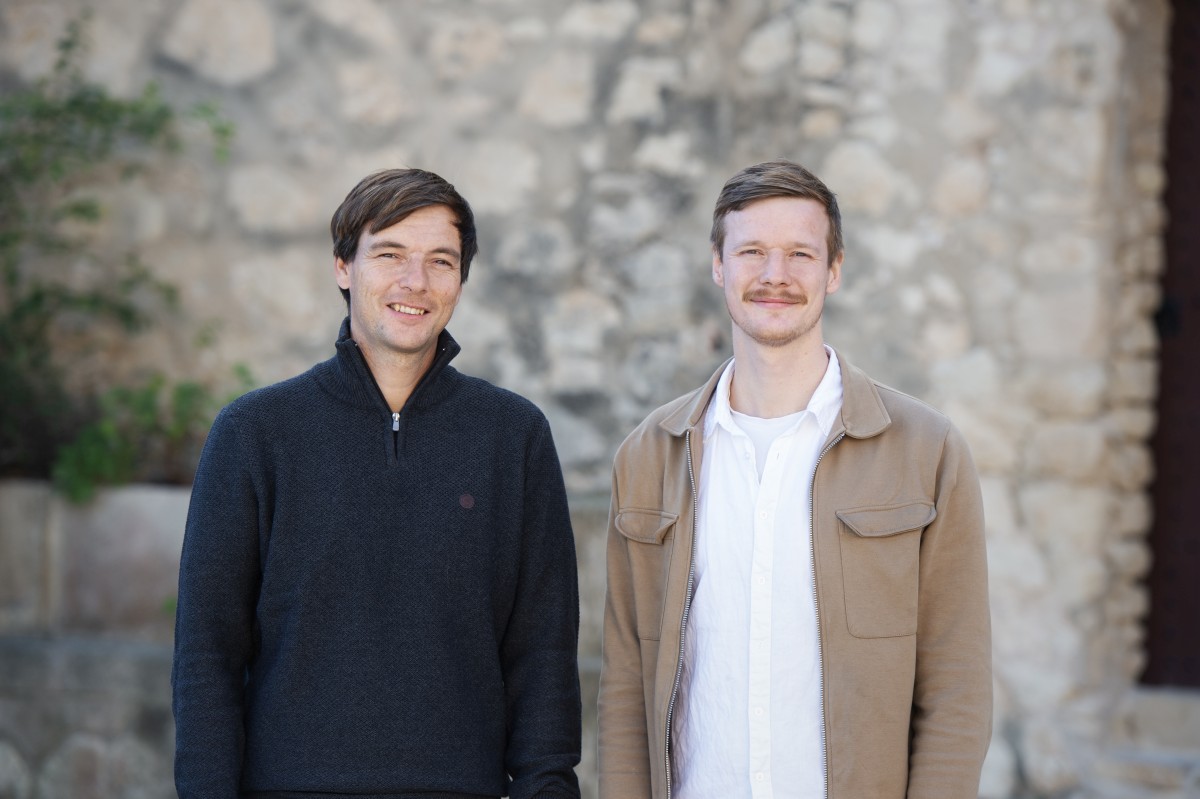
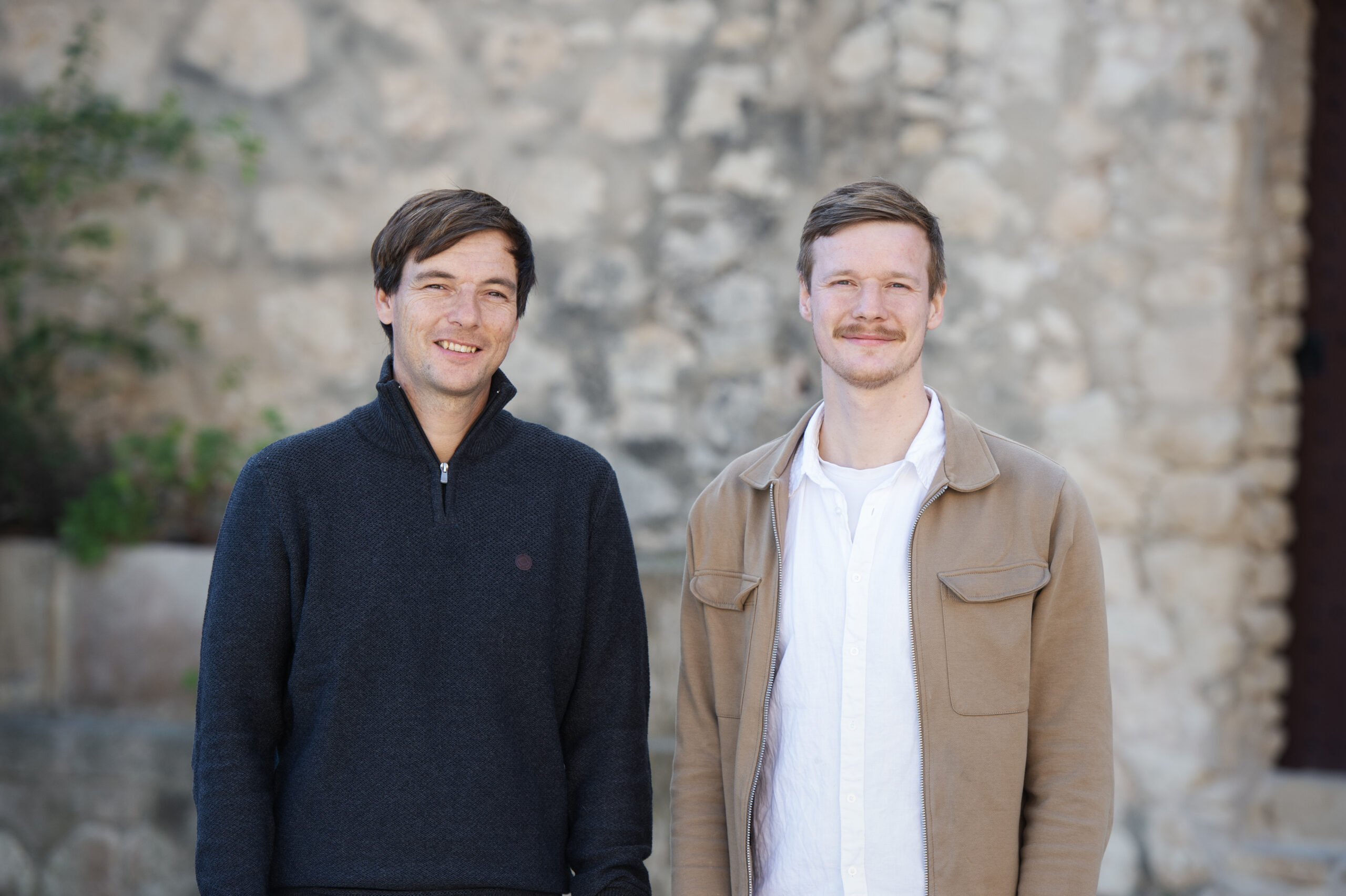
At Soleada, Hans Kristian holds authorization number CV 3258. He lives in Spain, speaks fluent Spanish, and has deep technical and legal insight into the Spanish real estate market. At Soleada’s office, you can meet Roar, who has over 10 years of experience with property in Spain and understands the needs and concerns of our clients. Soleada also has several skilled real estate agents and professionals who ensure a safe process for both buying and selling property.
We offer comprehensive service from the first contact to the handover of keys and further follow-up. We help with NIE numbers, lawyer contacts, gestors, and remain available even after you have purchased.
Frequently asked questions about real estate agents in Spain
Do I have to use an agent to buy property in Spain?
No, it is legal to buy property without an agent in Spain, but the risk of errors increases significantly. Without one, you must navigate complex legal documents and language barriers yourself, and coordinate all parties involved. A good agent ensures that you do not overlook critical legal issues such as hidden encumbrances or missing building permits.
Who pays the real estate agent in Spain?
Normally, the seller pays the agent’s commission in Spain, usually between 3 and 6 percent of the sales price. In some cases, the commission may be split between buyer and seller, but this must be clearly agreed upon in advance. Even if you do not pay directly, the quality of the agent affects your entire buying experience.
What is the difference between an authorized and an unauthorized agent?
An authorized agent has a CV number (Colegiado) or API number and is a member of a professional organization. This involves requirements for education, professional indemnity insurance, and ethical standards. Unauthorized agents have no formal qualification requirements.
How do I check if an agent is authorized?
Ask the agent directly for their CV number or API number. Authorized agents will be happy to share this. You can also ask for documentation of professional indemnity insurance and membership in professional organizations. Check references from previous clients and search for reviews online.
Can I buy property directly from the seller without an agent?
Yes, but it is risky. Without an agent, you must verify ownership yourself, check for encumbrances, understand complex legal documents in Spanish, and coordinate all parties. Many buyers have discovered serious problems only after the purchase, such as hidden debt, illegal extensions, or a missing certificate of occupancy. This could have been avoided with a good agent.
What can go wrong if I don’t use a good agent?
Common problems include buying property with hidden encumbrances or debt, illegal extensions without building permits, ownership issues, paying too much due to lack of market knowledge, and extra costs for legal cleanup afterwards. The cost in time and the stress of solving such problems can be significant.
Who pays the real estate agent in Spain?
Normally, the seller pays the agent’s commission in Spain, usually between 3 and 6 percent of the sales price. In some cases, the commission may be split between buyer and seller, but this must be clearly agreed upon in advance. This means that for the home buyer, it costs nothing extra to use the agent they want.
What can go wrong if I don’t use the right agent?
Common problems include buying property with hidden encumbrances or debt, illegal extensions without building permits, ownership issues, paying too much due to lack of market knowledge, and extra costs for legal cleanup afterwards. The cost in time and the stress of solving such problems can be significant.
Contact our authorized agents for a safe property transaction in Spain. We guide you through the entire process.
Area guide: The best places to live in Costa Blanca.
The first decision is whether to live in Costa Blanca North or Costa Blanca South.
If you want a green landscape, views and a more exclusive environment, you will find it in the north. The south is suitable for those who like it flat and want good access to sandy beaches and golf courses, or are moving for health reasons. The price level is generally lower in Costa Blanca South than in the north. Here we take a closer look at what both areas have to offer.
Costa Blanca North: More lush landscape with mountains and a rugged coastline.
The North has a greener landscape with more rainfall and is around 2-3 degrees cooler in the summer. Many find this more comfortable than the heat further south. With a rougher coastal landscape and more mountains, Costa Blanca North offers a more interesting landscape for those seeking good views and hiking opportunities in hilly terrain.
Popular areas include Altea with its artistic old town, Alfaz del Pi which is quiet and family-friendly, the charming small towns of La Nucia and Polop in the mountainside, as well as the coastal town of Calpe with the iconic Peñón de Ifach mountain. Finestrat offers a good combination of city life and quiet surroundings, with proximity to Benidorm city.
Costa Blanca South: Flatter landscape with salt lakes and beautiful beaches.
Costa Blanca South is drier and warmer than the north, with only around 44 rainy days per year. Summer temperatures are 30-32°C, and it is precisely the southern area that WHO has named one of the world’s healthiest climates.
The Torrevieja area is by far the most popular area. Many property buyers stay here for large parts of the year. Ciudad Quesada is family-friendly tidy area, while Orihuela Costa (La Zenia, Playa Flamenca, Villamartin) offers high activity throughout the year and proximity to golf and the beach. There are also many other villages and towns with a lot to offer. We will guide you to the perfect location for you.
Costa Blanca south has an established infrastructure with commercial centers, services and hospitals. The price level is generally lower than in the north, with a larger selection in all price ranges.
Why did WHO designate Costa Blanca South as one of the world’s healthiest places?
The World Health Organization (WHO) has named the southern part of Costa Blanca as one of the world’s healthiest climates. With around 320 sunny days per year, a unique microclimate and temperatures between 18-25°C all year round, it is perhaps not surprising that tens of thousands have chosen to buy property here.
Winter rarely reaches below 15°C during the day, while summer rarely exceeds 32°C along the coast. The climate is documented to be beneficial for rheumatism, asthma, cardiovascular diseases and joint ailments – an important reason why many choose to spend the winter here.
The unique microclimate is due to a perfect combination of geography and nature. The mountain range along the coast acts as a barrier against cold from the interior, while the Mediterranean and the large salt lakes around Torrevieja create stable humidity and temperature.
Alicante province also has the highest number of Blue Flag beaches in Spain. Blue Flag guarantees high water quality, safety and good facilities. The varied landscape offers coast, mountains, green valleys and historic small towns – you can swim in the Mediterranean in the morning and go hiking in the afternoon.
In short
Costa Blanca South is flatter and somewhat warmer than the north. The microclimate around the salt lakes near Torrevieja offers a particularly healthy environment. If you desire good access to beaches or golf, Costa Blanca South has plenty to offer. Prices here are also lower than in the north, largely due to greater availability of land for development.
Costa Blanca North features more rugged terrain with mountains and a more dramatic coastline. This makes the north greener and offers more opportunities for great views. It also boasts excellent hiking areas and beautiful rock formations. Prices are somewhat higher than in Costa Blanca South.
Apartment, townhouse or villa. Which home suits you?
Apartments are the most popular choice. They offer the lowest maintenance costs, often with shared swimming pools and garden areas within the complex. Perfect for a holiday home or for those who don’t want to spend time on maintenance. Prices start low, especially in Costa Blanca South.
Townhouse gives more space than an apartment, often with a private garden and roof terrace. Shares walls with neighbors and is usually part of an urbanization with a shared swimming pool. This is popular among families who want more space without too much maintenance.
Villas (detached houses) provide a private plot with full control and often a private swimming pool. You get maximum privacy, but also slightly higher maintenance costs. Ideal for those who value space and independence. If you plan to rent out the property, buying a villa is advantageous as it does not require approval from a community association.
Where should you live? Popular areas by need .
Families with children often choose Ciudad Quesada or Alfaz del Pi, both with good infrastructure and calm surroundings. Safe, family-friendly and well-facilitated.
Pensioners often thrive in Torrevieja with its large international community and many activities, Orihuela Costa with golf and beach, or Altea with cultural life and charm.
Golf enthusiasts will find dream homes in Villamartin, Las Colinas and La Finca – all with well-known golf courses and direct access from the residential areas.
Sports enthusiasts often like the La Nucia area, where you will find 400,000 m2 of world-class sports facilities including a tennis academy, Olympic stadium, Spain’s largest surf park, football center and a new golf training center under construction.
Those seeking authentic Spain should look at small coastal towns such as El Campello, Villajoyosa, Calpe, Moraira, Javea, Pilar de Horadada, Santa Pola, or generally small and large towns further inland. Here you get more traditional Spanish life.
What does it actually cost to buy a home here?
In addition to the purchase price itself, you must expect approx. 12-13% in taxes and fees.
On new builds you pay 10% IVA (VAT), 1.5% AJD (stamp duty) while used homes have 10% ITP (tax). Add lawyer (approx. €2,500), notary (approx. €1,200) and registration (approx. €800).
Annual operating costs vary, but expect property tax (€300), community fees for apartments and townhouses (€500-1,200+ depending on facilities), waste collection fee (€70), and home insurance (€300). Additionally, there are costs for water, electricity, bank fees, and any potential maintenance.
In total, we see consumption on apartments and townhouses in condominiums is around €3,600 annually, or €300 per month. On villas, it will normally be somewhat higher due to the pool and higher consumption, but here you avoid joint expenses.
For specific costs on the various properties, contact us directly.
Soleada – Your authorized real estate agent in Spain
At Soleada, Hans Kristian holds authorization number CV 3258. He lives in Spain, speaks fluent Spanish, and has deep technical and legal insight into the Spanish real estate market. At Soleada’s office, you can meet Roar, who has over 10 years of experience with property in Spain and understands the needs and concerns of our clients. Soleada also has several skilled real estate agents and professionals who ensure a safe process for both buying and selling property.
We offer comprehensive service from the first contact to the handover of keys and further follow-up. We help with NIE numbers, lawyer contacts, gestors, and remain available even after you have purchased.
Frequently asked questions about Costa Blanca North and South
What is the difference between Costa Blanca North and South?
The North is suitable for those who want a green landscape and a more exclusive environment. The South is suitable for those who move for health reasons, like it flat, sandy beaches.
Which areas are most popular?
The Torrevieja area in the south clearly has the most popular, with thousands who stay here for large parts of the year. Ciudad Quesada and La Nucia areas are also very popular among families.
How much does a home in Costa Blanca cost?
It varies enormously. Generally, the south is cheaper than the north, and inland is cheaper than the coast. A good apartment in Torrevieja can be obtained from around €150,000, while an exclusive villa in Alfaz del Pi and Altea can cost over €1,000,000. Contact us to have specific examples sent based on your wishes and budget.
Where in Costa Blanca is it best to play golf?
There are far more golf courses in Costa Blanca South due to the landscape. If you are resident in the Torrevieja area, you will have a lack of 18-hole golf courses to choose from within a 20-minute drive.
Where in Costa Blanca are the best beaches?
In Costa Blanca South there are far more sandy beaches than in Costa Blanca North. You will find sandy beaches along large parts of the coast in Costa Blanca South, while in the north there is a rougher coast and more pebble beaches. There are also beautiful sandy beaches in Costa Blanca North. Including in San Juan, Benidorm and Villajoyosa.
Which areas in Costa Blanca have the best views?
It is easier to get good views in Costa Blanca North, as it is with hilly terrain and mountain landscape by the coast. In Costa Blanca South there is a flatter landscape, with some heights.
Ready to find your home on the Costa Blanca? Contact us for a no-obligation consultation. We’ll help you find the right area and property type – whether you’re looking north or south, an apartment or a villa, for holidays or permanent residence. Book a viewing trip, and we’ll show you the differences between the areas and help you make the right choice.
Cost of owning a home in Spain – Complete Guide!
Joint expenses
Common expenses cover all expenses for maintenance and operation of common areas, such as elevators, pools and gardens. It is not common for TV and internet to be part of the common expenses. The total costs in the annual budget are distributed according to the percentage share of each property in the condominium, with the exception of benefits that only certain neighbors benefit from, e.g. if your condominium consists of several blocks, but only one block has an elevator, this cost is normally only distributed to the neighbors in this block. It is the annual meeting of the condominium that adopts the budget. Typically, the cost of common expenses is €30-150 per month. Some examples:
Apartments with an elevator are typically 30 euros a month.
Condominiums with green areas, pool areas and no elevator are typically 50 euros a month.
Condominiums with green areas, pool areas and an elevator are typically 100 euros a month.
Condominiums that also have a heated pool, gym, sauna etc. are typically 150€+ per month.
Property tax
Property tax is a municipal tax of between 0.4-1.1% of the assessed value and is paid in October. The assessment value can be found on the bill from SUMA and is a common document to ask for when buying a home. SUMA, the local tax office, is responsible for collecting this tax and the tax is called “Impuesto de bienes inmuebles”, or IBI in Spanish. There are differences between municipalities in terms of how high the assessed value is in relation to the market value of the home, so even if a municipality has low property tax, the assessed value may be high. There are therefore small differences overall between the municipalities. As a rule of thumb, it can be assumed that property tax amounts to approximately 1% of the market value.
Renovation
Different practices from municipality to municipality. Some deduct waste disposal from the water bill, some send it out separately via SUMA. This typically costs around 70-100 euros per year.
Electricity
Electricity costs vary greatly as in other countries, but Spain has historically had low electricity prices when the market is otherwise under pressure, and this is primarily due to Spain regulating electricity prices, but also its own production has increased significantly in recent years, especially with renewable energy. At the same time, there are low costs for grid rent and rental of electricity meters, etc. which means that the typical electricity bill is around 20 euros + consumption per month. A Kw/t normally costs between €0.15-0.25. A typical electricity bill is €150 in the hottest and coldest months, and €50 per month when there is no need for cooling or heating. Calculate about €8 per square meter per year, which amounts to about €800 euros in electricity per year for a 100 square meter home.
Water
Depends on which municipality you live in and which waterworks you are connected to. Typically, the first 10-15m3 per quarter is very affordable and then the price rises quickly. You also pay for connection and drainage. Fixed charges typically amount to around €25 per quarter. A typical water bill when the home is in use is around €50, unless you have a garden and pool.
Insurances
An average home insurance policy costs around 300-500 euros and rarely has a deductible. Home insurance normally covers fire, water damage, liability, burglary and contents. Higher values mean higher insurance sums.
Bank charges
Spanish banks are known for their high deposit and withdrawal fees and high operating costs. For a typical account linked to a holiday home and you’re not a permanent resident of Spain, the cost of just having a bank account is around €150 a year.
Internet/TV
The fiber network is very well developed, and you can expect it to be possible to connect to fiber in your home. The cost is normally around €25 per month. There are also providers that allow you to connect only when you use your home, which can be worthwhile if you’re there infrequently. Spain has a number of free channels in the cable network and you can bring TV boxes from your home country. There is no license fee for TV in Spain.
Private pool
If you have a private pool, this means regular maintenance. It’s not enough to simply remove leaves from the water, but the values of chlorine, PH and algae concentration must be kept stable, and pumps and filters must be maintained and cleaned. Most people outsource this to a company that visits regularly. In the summer at least once a week and in the winter somewhat less frequently. This costs approx. 1000€ a year.
What does it cost to fill a pool? When you fill a pool, you quickly exceed the limit for normal consumption and the cost multiplies until it maxes out at about €3 per m3. As most of the m3 used to fill the pool will be at the maximum price, it makes sense to calculate €3 per cubic meter of water. For exact prices, check your supplier. When your water bill arrives, it will state how much you have paid per m3 in threshold value and in addition you will have to pay extra for the corresponding m3 of wastewater.
An 8×4 pool with an average depth of 1.5m needs about 50m3 of water and if you calculate 3€ per m3 then this costs 150 euros.
Keyholder / Supervision / Caretaker
Many people choose to hire professional help to keep their home in good condition when they are unable to be there all year round. There are many companies that offer “keyholding” and the cost varies. What’s important is what’s included and that they actually visit the property. A keyholder typically visits your home every month and performs general maintenance such as cleaning drains, flushing, watering, checking for damp, signs of burglary or anything out of the ordinary, and sends you a report after each visit. Most also offer additional services such as water heater cleaning, air-conditioning and general maintenance. A keyholder who visits the property at least once a month, completes the checklist, sends a report and takes care of other maintenance costs around €400 a year. It is recommended to clean the water heater every two years due to the lime content in the water, unless you have installed a descaling system, which costs around €100. Air-conditioning should be checked every year, with cleaning of filters, ducts and checking of units, and this costs about 150€.
Tax return
You must submit a tax return annually, even as a non-resident and even if you have no income. On the tax return, your property must be stated, and there is a small tax for owning a secondary residence that amounts to 2% of the assessed value. A reasonable estimate might be about 100 euros for the tax and another 100 euros if you need someone to complete, submit the tax return and pay the tax on your behalf.
Garages and warehouses, even if you’ve bought them separately, are typically a separate property and are taxed separately, triggering separate tax returns.
At Soleada Eiendom, we file tax returns on your behalf if desired.
Estimated annual costs
Joint expenses
800,00 €
Property tax (IBI)
300,00 €
Renovation
70,00 €
Insurances
300,00 €
Internet
400,00 €
Water/electricity
1.000,00 €
Bank charges
150,00 €
Keyholder
400,00 €
Maintenance Air-con and HVAC
200,00 €
Tax return
200,00 €
In total
3.820,00 €
Rental properties in Costa Blanca, Spain in 2026 – Requirements for rental properties
Legislative changes for short-term rental
On June 7, 2018, the Valencia region adopted a number of restrictions on the rental of homes for short periods of time, what we popularly call tourist rentals. This happened because there was a growing problem with illegal tourist homes that did not pay taxes and did not meet the requirements for a rental property. Increased dissatisfaction among the local population in vulnerable areas also weighed heavily, but many believe the decisive factor was pressure from the hotel industry.
The law was drafted and passed in a very short space of time and many properties were required to apply for registration in the landlord register, where they had to meet a wide range of requirements. Huge fines were threatened to both private and professional landlords, but due to the number of privately owned tourist homes and the lack of inspectors, the authorities concentrated on the large portals.
Since then, the law has been updated on January 22, 2021 and now most recently on August 2, 2024. Here we will concentrate on the latest version of the law.
How do you apply for entry in the landlord register?
We help all our customers who wish to do so to apply for a rental license. We know which municipalities and areas have restrictions, and if letting is important to you, you can rest assured that our brokers will not offer you homes where this is not possible.
Applying for inclusion in the tourist register is a lengthy process and, depending on the municipality, can take well over a year to be approved. As of today, December 2024, there are very few municipalities that allow new applications. The vast majority of municipalities have frozen this for 2 years after the new law came into force, to work out how to deal with this. We know which municipalities, ask your real estate agent
The 10 most important changes in the Rental Act
1. It is only possible to rent out a maximum of 10 days to the same tenant for short-term rentals.
The entire group is regarded as one tenant, and you must register everyone who is in the property regardless. It will then not be possible to extend the rental period by signing two rental contracts with two different people in the same group.
The new decree considers properties that are rented out in their entirety for a period of less than or equal to 10 consecutive days as tourist accommodation. It is not possible to rent out rooms and you cannot rent out only parts of the property.
Homes that have been reserved for 11 days or more before the decision came into force can maintain the contract.
This also means that you can rent out for 11 days or more without applying for a license. However, the property must meet the minimum requirements of the Rental Act.
2. You must have approval from the condominium to rent out
For several years, there has been uncertainty as to whether condominiums have the authority to ban tourist rentals, since Act 7/2019 gave condominiums the power to restrict tourist rentals. This left room for interpretation as to whether restricting also means banning, and in many condominiums where they used this law to ban tourist rentals, they encountered resistance from landlords who refused to comply. Here, a recent ruling in the Supreme Court of Spain, on October 3, 2024, states that condominiums have the opportunity to prohibit rentals if a minimum of 60% of the neighbors vote for this and then that case was put to an end.
In order to register your property in the landlord register, you must now have a certificate from the condominium stating that your property can be used for this type of rental.
3. You must renew your entry in the landlord register every five years
All tourist homes must be registered in the landlord register and have a registration number. This registration must now be renewed every 5 years. It is not clear exactly how this should be done, but it can be assumed that re-registration is not as extensive as a new registration.
In addition to renewing the registration every five years, this must also be done when there is a new owner of the property.
If you rent out your property for more than 10 days during the periods defined by the authorities as possible for tourist rentals, you may lose your registration in the landlord register.
4. You must obtain a certificate of residence every five years
Within 1 month before your registration expires, you must update your certificate of residence. This can be ordered from an architect. After the certificate of residence has been updated, rental of the property must start within 2 months.
5. Exact location and registration number in all advertising
All advertising of the property must clearly state the exact location of the property and the registration number in the landlord register. Failure to state this is considered a serious breach.
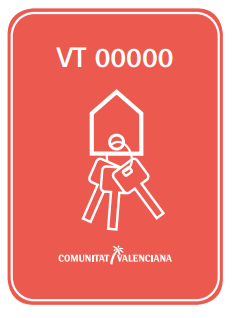
Furthermore, the plaque with the registration number must be clearly visible either outside or inside the front door.
6. Prohibition of key safes on public roads
It is now forbidden to hand out keys to tenants using key safes in public roads. This means that if your home has its front door facing a public road, this cannot be installed here.
7. You must sign a contract for laundry, linen change and home maintenance
The property must have a contract for cleaning service and linen change and regular service and maintenance. It is not enough to simply state a person or company that realizes this.
8. The home must be clearly marked with rules for the condominium
The rules of the condominium must be clearly visible in the home. This applies to the rules of the condominium, the use of installations and whether the condominium allows pets.
These rules must be accepted and followed by tenants, and the landlord is responsible for ensuring that they know the rules and comply with them.
9. 24-hour telephone service and emergency instructions
Tourist accommodation must meet requirements for size, ventilation and lighting. They must also have an evacuation plan, emergency instructions in several languages, a list of telephone numbers for emergency services and a 24-hour telephone service.
10. Fines and liability
The decree gives rise to fines of up to 600,000 euros. Renting out only parts of the property or overselling the number of places is considered a very serious violation.
Furthermore, it will be considered very serious not to disclose the property’s registration number in advertising or the property’s exact location.
Conclusion
The new law regulates tourist apartments more precisely than before, but it also allows you to rent out for 11 days or more without having to register the property in the landlord register. If you are considering buying a property in the Alicante province and want to know more about how to rent out legally, this is something we at Soleada Eiendom can help you with.
Frequently asked questions
Are there new rules for renting in Spain?
In the Valencia region, including the province of Alicante where Soleada Real Estate works, there was an update to the rental law on August 2, 2024.
Does the new rental law affect long-term rentals in Spain?
Generally speaking, you can rent out your property for as short or as long a period as you wish, but the new tourism law of August 2, 2024 in Comunidad Valenciana clearly states that 10 days or less is covered by this law. This means that you can rent out for 11 days or more without applying for a rental license.
How many days can I rent out my home in Spain
You can rent out for 11 days or more without a rental license. If you rent out for 10 days or less, you must apply for a rental license.
How do I apply for a rental license in Spain
To apply for a rental license, you must apply for registration in the rental register in Comunidad Valenciana. In order to be granted the application, you must first have approval from the municipality and condominium. The municipality will ask for an updated certificate of residence. We recommend using a lawyer to apply for a rental license
Do I need approval from the condominium to rent out in Spain?
Yes, you do. On October 3, 2024the Supreme Court ruled that condominiums have the right to prohibit rentals for stays of 10 days or less, so-called tourist rentals, with a 60% majority.
Can I rent out during the application period for a tourist license in Spain
No, you cannot rent out for 10 or fewer days without an approved application.
What is a certificate of residence
A “cedula de habitabilidad” is a certificate issued by an architect that states how the home is built, how big the rooms are and whether it meets the requirements of the Housing Act.
Selling property in Spain in 2026 – Your complete guide
The sales process, step by step
Choice of broker
The first step is to engage a broker. A real estate agent is important to ensure good marketing of your property, so you reach all potential buyers. The broker also takes care of the entire sales process for you, arranging everything from obtaining documents, marketing, viewings and settlements.
When considering a broker, it’s important to look at the broker’s references and how they market their properties. Good marketing is expensive, but effective. Many don’t use a professional photographer and only market locally and on certain property portals. Don’t leave anything to chance, ask to see a presentation of their latest sales assignment and ask how they market.
In Comunidad Valenciana, where you will find Alicante province, and popular areas such as Torrevieja, Altea, Orihuela Costa, real estate agent is a protected title and it is forbidden to work with the sale of property without authorization. Therefore, check if the broker is authorized. It is also a great advantage if they use a lawyer specializing in real estate for the paperwork. Feel free to ask the real estate agent for the API number in the college for real estate agents. Invite the estate agent to inspect your property and preferably meet the agent in person.
The estate agent will carry out an inspection and assess the standard and location of the property. An experienced real estate agent can also tell you if your property has any legal issues, such as illegal additions, and advise you if anything needs to be repaired. A lawyer is the one who arranges the paperwork, but the real estate agent is the one who visits the property and assesses whether it corresponds to what is stated in official registers. An experienced broker can therefore save you from unpleasant surprises, which in the worst case can lead to the buyer withdrawing. The vast majority of cases of illegal extensions are easily resolved with an architect and a lawyer, but it is crucial that this is addressed before the property is put up for sale. The valuation is based on inspection, legal and construction assessments and the sales history in the local area.
When a broker comes for an inspection, it’s a great opportunity to ask questions and get to know what the broker can offer and how they work. Prepare questions about the sales process, the housing market, what the agent can offer and how they market.
Once you’ve found a broker you want to engage, an assignment agreement is drawn up. Broadly speaking, this agreement describes who the seller and the broker are, which property is involved, the sales price, the brokerage fee, the size of the deposit and the duration of the assignment.
Lawyer
We recommend using a lawyer to take care of the legal aspects of the sale. A broker can assist with obtaining the necessary documents for the sale of the property, but registration, payment of tax, settlement, etc. should preferably be handled by a lawyer. Normally, the broker has a lawyer you can use, but this cost is additional. With us at Soleada Eiendom, a lawyer is included when signing an exclusive assignment agreement.
A good lawyer will ensure that you don’t pay more than necessary and will in many cases save their own costs many times over.
If you do not wish to appear in person for the signing of documents in Spain, you can authorize your lawyer to appear on your behalf.
Photography and marketing of your property
Good property marketing starts with professional photos, videos and floor plans to present the property in the best possible way.
We recommend making the property as presentable as possible prior to the photo shoot. If necessary, the real estate agent will advise you on what needs to be done before the viewing. These are often simple measures such as clearing away certain pieces of furniture, painting walls and going over tiles and facades in outdoor areas.
Once the photos, video and floor plans are ready, the next step is to market the property. It’s important that the estate agent has a good marketing plan and knows which target group is most relevant to your property. The property is marketed widely to reach all potential buyers in several countries.
Feel free to ask us about how we market our homes.
Viewings
Viewings are often arranged at short notice, so it’s common for the estate agent to have keys readily available in order to be able to show the property quickly. Private viewings are the norm and it is not normal for estate agents to charge extra per viewing.
In Spain, it is common for brokerage houses to collaborate on the sale of homes. If a brokerage house has a sales assignment for a property, another brokerage house can ask to show the property to its client. Such collaboration makes the property available to more potential buyers and is positive for the seller. If the property is sold in such a case, the two brokerage houses share the fee.
Negotiation, deposit and reservation contract
If there is interest in your property, a closed bidding round is held between you as the seller and the potential buyer. Bids are communicated in writing or by telephone, and it is up to you to decide whether to make a counteroffer, rejection or acceptance.
Once the parties agree on a price, a reservation contract is drawn up and signed by both the buyer and seller. The buyer then pays a deposit that binds the parties to the sale. The deposit is normally 10% of the sale price. If the buyer withdraws from the sale, the deposit is forfeited to the seller. If the seller withdraws, the deposit must be repaid to the buyer. In such cases, the buyer can also demand that the seller pays an additional amount equivalent to the deposit. Deposits are regulated by Spanish Civil Law No. 1454
The parties are free to choose how much time they need for the handover. The most common practice is to sign a 3-month contract, as the mortgage process in Spain can easily take more than 2 months. However, if the buyer does not require financing and the seller is willing to move out quickly, this can happen in just a few days.
Takeover and settlement
The seller and buyer, or their representatives, meet at the notary’s office to settle the sale when all parties have what they need. The new title deed is signed and the notary informs the property register of the transfer. Any encumbrances on the property are investigated in advance by the buyer’s lawyer and, if necessary, money is withheld from the settlement to delete the encumbrances. This may include bank loans, tax, unpaid condominium fees, electricity and water bills, etc. The seller receives the remaining settlement, either by bank remittance or bank transfer, and the buyer is handed the keys.
Sell with Soleada Eiendom
We work tirelessly to improve ourselves and be a leading player in Costa Blanca and Costa Calida in the sales and marketing of real estate. We keep up to date with trends and tools to be able to market our sales assignments in the best possible way. Below you’ll find an example of the quality of our property ads. Read more about selling property with Soleada Eiendom.
Costs of selling a home in Spain
In this section, we look at the various expenses associated with selling a property in Spain in 2025 and which documents and certificates are required. Prices are described with + IVA, which is the equivalent of VAT. There is 21% VAT on services in Spain.
What is the cost of a broker in Spain
The agent’s commission is normally 4-5% + IVA of the sale price and is usually only paid upon completion of the sale. For the sale of high-end properties, a lower percentage may be possible. The agent is expected to advertise widely in several countries and cover all costs for advertising, marketing materials, and all expenses related to viewings. Read more about what’s included when you sell your home with us.
Please NOTE that some agents charge the buyer for all or part of the fee. This deviates from tradition and is perceived by many potential buyers as dishonest marketing; you may lose potential buyers when they are hit with a large unexpected cost. This is why you sometimes see online ads stating “no agent fees,” where the agent specifies that the price shown is the price of the home and nothing extra will be added except for the closing costs of approximately 12-13%.
We strongly recommend that the estate agent’s fee and the maximum price for which the property will be advertised are set out in the contract. It’s easy to be tempted by simple marketing tricks such as “we’ll sell your property for free” or that they operate with low fees of 2-3%, where they then invoice the buyer in addition so that they achieve the fee they want. This will probably result in you being left with less for your property, as this practice causes you to lose potential buyers along the way, and once a buyer arrives, they will demand that they get the property at the advertised price and then you as the seller will have to reduce the price anyway.
Therefore, be aware of this when you receive an offer of less than 4% and ask them directly if they invoice the buyer in addition, and if this is the case, we recommend steering clear.
Legal fees when selling a home in Spain
A good lawyer will ensure that you don’t pay more than necessary and will in many cases save their own costs many times over. The normal fee for a lawyer in connection with the sale of a property is €1500 + IVA. This cost is covered by us by signing an exclusive assignment agreement.
Energy certificate
Energy certificates are required by law and cost approx. 200€ + IVA . The energy certificate is issued by an architect and must not be older than 10 years when the property is sold. New EU requirements state that by 2030, homes must meet energy class E or higher, and by 2033, homes must have energy class D or higher. Be aware that a home with low energy efficiency can affect the valuation, as a buyer must consider that they will need to renovate shortly to be allowed to resell or rent it out.
A habitation certificate (Cedula de Habitabilidad) is not required by law, but it is common for the seller to pay for this. The habitation certificate proves that the property complies with the municipality’s residency requirements and is issued by an architect for approx. 250€ + IVA . Practice varies depending on the municipality where the property is located. Some approve it for 5 years, others for 10 years. Some water suppliers also require this certificate to set up a contract, and it must then be in the buyer’s name. A local architect is usually familiar with the different practices in the various municipalities.
Certificate from the condominium
A certificate from the community of owners (comunidad) stating that you have no outstanding debt normally costs 50€. NOTE: If you have outstanding debt to the community and the buyer is financing through a bank, the bank will not complete the purchase until the debt is paid. If the buyer is using their own funds, a common solution is for the outstanding amount to be withheld by a lawyer during the settlement and paid to the community upon the change of ownership.
Plusvalía
Plusvalia is a type of property tax that is calculated based on the increase in value of a property from acquisition until you sell.
How much you should pay depends on 3 conditions:
Tax value of the land at the time of sale. If you have an apartment or terraced house, your share of the plot of the entire housing cooperative is used as a basis.
How many years you have been the owner of the home
the municipality where the home is located
There are several approved methods for calculating Plusvalía and a good lawyer will always choose the method that is most favorable to you and you can quickly save many hundreds of euros on this.
Calculator for sales costs
In our calculator for selling a home in Spain, you can quickly estimate sales costs based on the sale price of your home. Please contact us if you would like a free valuation of your property and an accurate calculation of selling costs.
Calculate sales costs
Cost overview:
All costs are including VAT
Property price: €0
Broker(5%): €0
Includes legal assistance, professional photos and video, new floor plans, broad marketing with advertising in several countries, unlimited viewings and settlement on sale.
Paid only upon completion of the sale.
Lawyer: €1500
When selling exclusively through us and using our lawyer, we cover this cost.
Plusvalia: €0
Normally 500€ – 1000€. Can be higher on expensive homes and in some municipalities.
Energy certificate: €0
If this is missing. Can be max 10 years old.
Residency certificate: €0
About this is missing.
Certificate from the condominium: €0
Total costs: €0
Remaining sum: €0
Tax on the sale of property in Spain
In this section, we take a closer look at tax on the sale of property in Spain. There are many factors that affect the amount of tax payable on the sale of a property, but it is possible to calculate an estimate.
Non-resident means that the person is not resident in Spain for tax purposes and is therefore liable for tax in another country.
Capital gains tax on the sale of property
Capital gains tax on the sale of property in Spain is 19% for non-residents. The formula for calculating capital gains tax is:
Sales price minus expenses on sale Deduction from purchase price including costs and upgrades
Example of capital gains tax:
Purchase price of property incl. costs and upgrades: 250.000,00 € Sale price property = 300.000,00 € Expenses on sale = 21.565 € Remaining = 278.435,00 €
Profit = 28.435 € Tax 19% = 5.402,65 €
Net gain on sale = 23.032,35 €
Tax for non-residents of 3% of the sales price
In Spain, the law states that if the seller is non-resident, the buyer is required to withhold 3% of the sales price and pay this as a deposit pending the calculation of capital gains tax. If the capital gains tax is lower than 3% of the sales price, the seller can apply for a refund. See example.
Example of tax refund for non-residents
In the example for capital gains tax, the tax amounted to €5,402.65 on a gain of €28,435. The tax for non-residents of 3% of the sales price of €300,000 is in this case €9,000 and is paid in before calculation of the actual capital gains tax. Since too much has been paid, a refund can be applied for on the difference.
9.000 € – 5402,65 € = 3.597,35 €
When you sell a property with us, we take care of applications for refunds of overpaid tax. It is very important that this application is submitted shortly after the sale of the property, otherwise this right will lapse. It is not automatic that the lawyer will do this on your behalf, so be vigilant here. Here, too, a good lawyer will be able to save you large sums of money.
Conclusion
There’s a lot to keep track of when you’re selling your home, but with a little preparation and the right agent on your team, it’s entirely possible to make it an orderly and positive experience.
Are you thinking of selling your home and would like our assistance? Contact us and we’ll help you get started.
How long does it take to sell a property in Spain?
This varies and it will also have a lot to do with when the property is put up for sale, as the housing market in Spain is seasonal. There is most activity in the spring and fall, so we recommend putting your home up for sale then. With the right price and good marketing in a normal housing market, the property is normally sold within 3 months.
How long is the takeover period from when the property is sold?
This is agreed based on what is possible for the buyer and seller. The buyer may need to arrange things such as a NIE number, bank account and mortgage, so it can take up to 3 months. If both buyer and seller have everything ready, the takeover can take place in less than 1 month.
Can sales proceeds be transferred directly from buyer to seller in countries other than Spain?
No, the actual settlement and transfer must be carried out in Spain to and from a Spanish account, even if both buyer and seller live in the same country
Should I choose a broker based on who has the highest price for my property?
No, this is not a good reason for choosing a broker. Estate agents often set the asking price higher to try to secure the sale. Instead, use common sense and look at the agent’s references and property listings and ask questions about the sales process, legal services, marketing and what they can offer you. We also recommend meeting the agent in person. As the seller, you decide what price you want to sell for. Discuss with the broker you want to use and agree on the sales price.
Why do the fees of the different brokerage houses vary?
The biggest reason for this is that the quality of the work done by estate agents varies greatly. The cheapest real estate agencies do almost no marketing and often have poor quality photos and property ads. A good real estate agency spends a lot of resources on marketing to reach all potential buyers and ensures high quality photos and videos. This is crucial for generating interest in the property on the international market. With a professional brokerage, you can also expect good legal support throughout the sales process. With us, we include legal fees on exclusive sales assignments.
Is real estate agent a protected title in Spain?
Answer. In the province of Alicante, real estate is a protected title and it is forbidden to work with the sale of property without authorization. Therefore, check if the broker is authorized and ask for their API number.
Do encumbrances follow the property when it is sold?
Yes, encumbrances such as unpaid community fees follow the property. Encumbrances can be checked by obtaining a simplified deed (Nota Simple) from the property register. This is normally done by your agent or lawyer before the sale is completed. If a property has encumbrances, these can be cleared at the time of handover and deducted from the sale price.
What is the difference between an exclusive and non-exclusive sales agreement with a brokerage house?
An exclusive sales agreement means that the estate agent is the only one who can sell the property for the duration of the sales contract. The advantage of this is that the agency can spend more time and resources on marketing the property without risking losing the sale. Other brokerages can still show the property, but everything is arranged through the brokerage with the sales agreement.
A non-exclusive agreement means that it is open to other people to sell the property. In such cases, the seller often signs an agreement with several estate agents. The risk with this is that the estate agents cannot spend resources on marketing as it is likely that they will not get the sale in the end. It will also be difficult to keep track of keys and viewings in such cases. The result is often low quality photos and ads and less interest.
Buying property in Spain
Initial consultations and assessment
When you contact us, one of our experienced real estate advisors will help you get an overview of the opportunities available to you. Together, we identify which areas might be relevant and what types of properties are available.
Assessment of wishes and needs with a local real estate advisor.
Discussions about the local neighborhood in relevant areas, desired activities, and facilities.
Review of relevant properties, regardless of location, to provide a clear picture of your dream home.
Information regarding financing and the purchase process.
Planning a viewing trip to Spain. At least 3 weekdays set aside for guiding and viewings.
Consultations before departure. Via telephone, online meeting, or physical meeting if possible.
On our viewing trips, you only cover the cost of your flight tickets yourself.
We recommend at least 3 weekdays with us in Spain. During these days, you will get to know your favorite areas well and see all relevant properties. We will also ensure that you have all the information regarding costs and the purchase process.
If you travel to Spain on your own, we arrange the days to suit you.
Travel day (viewing trip)
Transport and accommodation at a hotel.
Meeting with a real estate advisor with a brief overview of the schedule.
Review of the hotel’s local area with recommendations.
First viewing day
Guiding in all relevant areas together with an experienced real estate advisor.
Viewings of selected properties to give an impression of what might be of interest.
If the area is decided, we arrange more viewings.
Second viewing day and until the right property is found
Viewings of all relevant properties in your favorite areas.
Careful review of the relevant areas, facilities, and distances.
Review of floor plans, technical assessment, and features of relevant properties.
When the right property is found
Estimation of all additional costs and expected annual expenses.
Review of the reservation contract with a lawyer.
Negotiation with the seller or developer.
Signing of the reservation contract and payment of the deposit.
Discussions about changes, materials, and furnishing.
You do not need to travel to Spain again until the property is ready for handover.
We take care of everything!
After property reservation
We handle everything on your behalf in Spain using a power of attorney. All signatures from you are handled via email and regular mail.
Power of attorney between buyers and our lawyers. This allows us to complete the entire purchase process on the buyer’s behalf.
Application for NIE number. Can be completed before traveling to Spain.
The lawyer obtains all documents and ensures any encumbrances are cleared.
We set up a bank account for you in Spain.
Formal handover at the Notary. It takes approximately 2 months before we receive the original title deed.
Total handover time varies, but if you do not have an NIE number, you should expect 2-3 months if the property is ready for move-in.
After handover
After the handover at the notary, we need about 2 weeks to get everything in place so the property can be used. For example, electricity and water.
We set up automatic payments for water, electricity, community fees, property tax, waste collection, and insurance from your Spanish bank account.
Inheritance planning and writing a will with our lawyer.
Establishing contact with our service department.
The service department assists with, among other things, internet, TV, and key services.
Offer from a lawyer for the annual tax return.
Viewing trip with Soleada
If you want professional help to find your dream home, our tour tours are for you. We have a high level of local knowledge and a full overview of the entire housing market in the Costa Blanca and Costa Calida. We find the very best options for you!
On our viewing trips, we set aside at least 3 full days together with a locally known Norwegian real estate consultant. We focus on finding the perfect area first and then present all relevant homes in that area.
The days are normally from morning to afternoon at a comfortable pace, with planned stops and a lunch break at the restaurant. We provide hotel, transport and organize a tailor-made program every day based on your wishes.
Being on a tour is an experience and is incredibly educational. You get to know the entire Costa Blanca coast and get a good insight into the housing market without it becoming overwhelming and tiring.
Viewing trip is the best way to find your dream home in Spain.
What is included in the tour?
Minimum 3 working days, (Mon-Fri) with individual follow-up by a Norwegian real estate consultant.
Stay in a minimum 3-star hotel with breakfast included.
Guiding in all relevant areas by a Norwegian real estate consultant with high local knowledge.
Review of relevant properties, as well as the surrounding area and facilities.
Introduction to home purchase and financing in Spain with Norwegian real estate adviser.
Soleada can arrange most properties for sale. If you want to see a property advertised with another broker, we can organize viewing.
What is NIE number?
The NIE number is unique and linked to you as a person. Anyone with economic, professional or social affairs in Spain must have an NIE number. Often called Identification number for foreigners or immigration number.
It is a good idea to apply for an NIE number well in advance of buying a home to avoid delaying the takeover process. The NIE number is required to be able to perform almost any practical task in Spain. This includes buying real estate, taking paid work or studying, starting a business, applying for a driver’s license or receiving an inheritance in the country. NIE always starts with an “X” or “Y” followed by seven numbers and a letter.
Where to apply for NIE?
We apply for an NIE number for all our customers who have either decided to buy a home in Spain, or have recently reserved a home.
You can apply for an NIE number at the Spanish National Police Station (Comisaria) or at your nearest immigration office (Oficina de Extranjeria). There are often long queues here, so it can pay to show up early. It is often necessary to book an appointment to submit the application documents. It is also possible to apply to Spanish embassies abroad, or the Spanish embassy in Oslo.
Documentation required to apply for NIE
Two copies of application form , completed. Must be signed in the presence of an official
Tax form (model 790) . To be filled in directly on the website and can then be downloaded. Only first page printing is required here.
Residence confirmation
Original passport and passport copy and 2 passport photos of you.
Bank receipt for paid fee of around 10 €.
PS: Bring all copies yourself, as you can not always make prints at the public offices.
Processing time for NIE
Normal processing time for NIE numbers today varies from a few weeks to 3 months.